


If you run an eCommerce store, you’ve probably set up email marketing at some point. Or at least tried.
Usually, it starts the same way. You install a tool, maybe send a campaign or two, and then it just sits there. Nothing really happens.
That’s because most of the results in email marketing don’t come from campaigns. They come from flows running in the background.
What Email Marketing Actually Does for eCommerce
Before getting into flows, it’s worth being clear on what email marketing is actually doing for you.
Paid ads bring people in. Most of them don’t buy straight away. Some browse, some add to cart, some just leave. Email is what lets you follow up with those people instead of losing them completely.
Where it fits in:
- It brings back people who didn’t buy
- It keeps your brand in front of past customers
- It helps turn one purchase into two or three
It’s not the flashy part of marketing, but it’s usually one of the more consistent ones.
Where Most Stores Go Wrong with Email Marketing
This is where things usually fall apart. A lot of stores focus on sending campaigns. Discounts, product drops, announcements. Nothing wrong with that, but it’s not enough on its own.
If you stop sending, everything stops.
What’s usually missing:
- No automation in place
- No structure behind emails
- Same message going to everyone
- No follow-up after someone shows interest
Without flows, email marketing ends up being something you “occasionally do” instead of something that works for you every day.
The Core Email Marketing Flows Every eCommerce Store Needs
You don’t need anything complicated to start. A few basic flows already cover most of the important moments. Start here and build from it.
Welcome Flow
This is the first email someone gets after signing up.
It’s not just a formality. It’s where people decide if they’re actually interested in your brand or not. Keep it simple:
- Who you are
- What you sell
- What they can expect
If you use an offer, keep it clear. No need to overdo it.
Abandoned Cart Flow
This is the obvious one, but it works for a reason. People add products to carts and leave all the time. Sometimes they just get distracted. A reminder is often enough.
- Show them what they left
- Keep the message short
- Add urgency only if it makes sense
You don’t need a long sequence here. One or two emails can already make a difference.
Browse Abandonment Flow
This one gets ignored a lot. Someone looks at a product but doesn’t add it to the cart. That’s still interesting, just not strong enough yet.
This flow gives you another chance to bring them back before they forget.
- Remind them what they viewed
- Keep it light
- Don’t push too hard
It won’t convert as much as cart abandonment, but it adds up.
Post-Purchase Flow
Most stores go quiet after a sale. That’s a missed opportunity. This is where you build repeat customers. You can use it to:
- Follow up on the order
- Share tips or usage ideas
- Suggest related products
- Ask for a review
It doesn’t need to be complicated. Just stay relevant.
Win-Back Flow
Some customers don’t come back on their own. This flow targets people who haven’t bought in a while. It can be as simple as:
- A reminder
- A small offer
- A reason to check the store again
Not everyone will respond, but enough will to make it worth having.
How to Approach Email Marketing Without Overthinking It
This is where people tend to overcomplicate things. You don’t need perfect emails. You don’t need long sequences. You don’t need ten different segments from day one. Start with something simple that actually runs.
Keep it practical by:
- Set up the main flows first
- Keep emails short and clear
- Focus on timing, not design
- Adjust later once you have data
Email marketing works better when it’s consistent than when it’s “perfect”.
Why Structure Matters More Than How Many Emails You Send
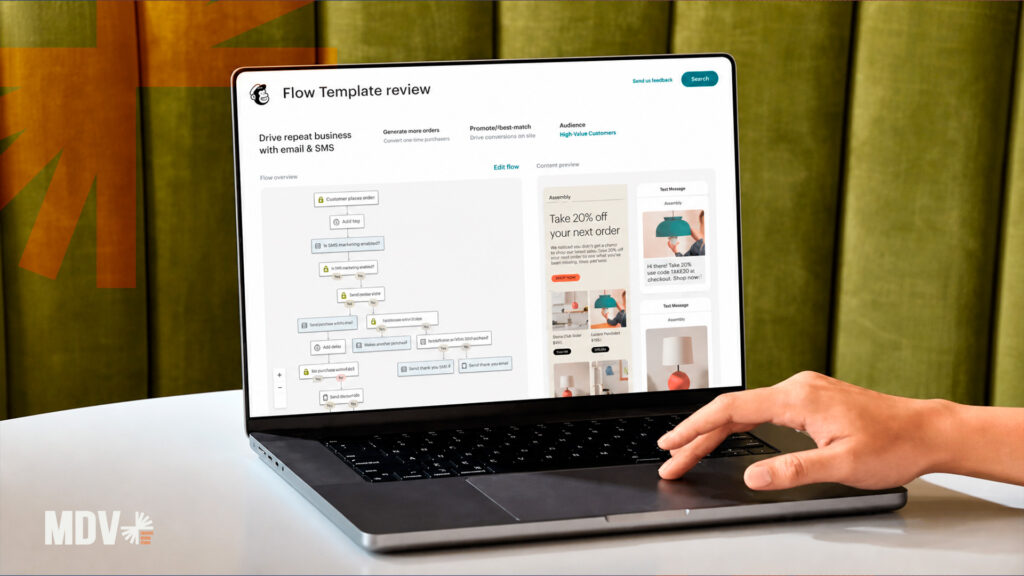
Some stores send emails all the time and still don’t get much out of it. Others don’t send that many, but they have the right flows in place and get steady results.
The difference is not volume. It’s structure. If your flows are set up properly, email marketing keeps working even when you’re not actively doing anything.
Why Most eCommerce Stores Don’t See Results from Email Marketing
Email marketing is one of those things that either feels pointless or becomes one of your most reliable channels. It depends entirely on how it’s set up.
If you start with the core flows, you cover most of the important touchpoints without overcomplicating things.
From there, you can build on it slowly.
If you’re running an eCommerce store and email marketing isn’t really doing much for you, it’s usually not the tool. It’s how everything is structured. At MDV, we help businesses set up simple email systems that actually work, without turning it into something overly complex.
FAQs about email marketing for eCommerce
It’s a way to stay in touch with potential and existing customers, usually to drive sales and repeat purchases.
You can start with a few core ones, like welcome, abandoned cart, and post-purchase.
They do different things. Ads bring people in, email helps convert and retain them.
There’s no fixed number. Consistency matters more than frequency.
Not always. Discounts help, but timing and relevance matter more.